Turn your shopping list into a useful pantry record
Separate planned shopping from what arrived, and record checked quantities and packaging dates without confusing them with receipt dates.
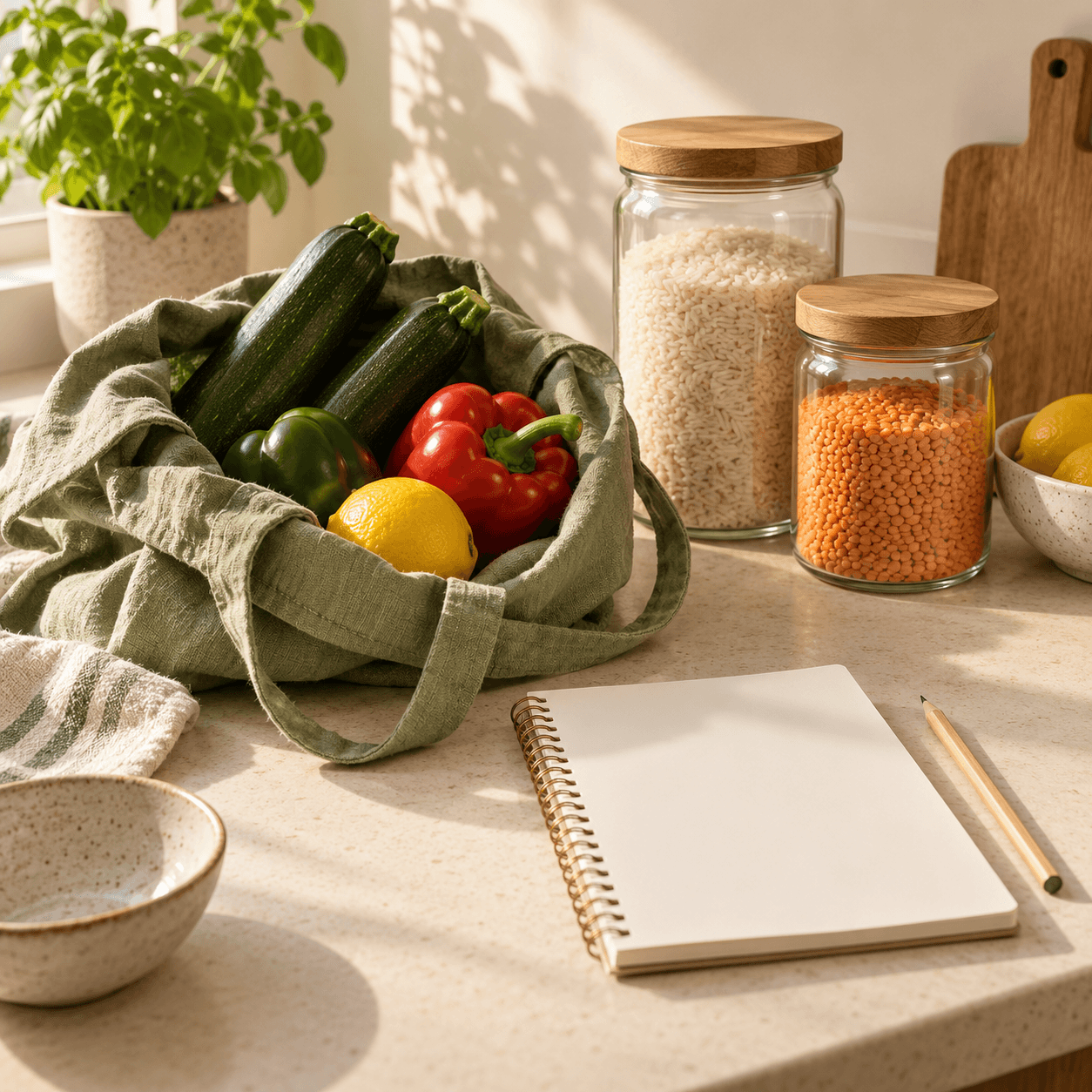
A shopping list says what you intended to buy. A pantry record should describe what actually came home. Keeping those steps separate makes the next planning decision more reliable.
Compare the shop with the list
Check substitutions, missing items and different pack sizes. Keep the quantity on the receipt or packaging distinct from the ingredient amount in a recipe. Receiving an item once should create one stock change, even if you reopen the confirmation later.
Keep dates in their proper place
A receipt can show when a purchase happened. It does not establish a product's use-by or best-before date. Record a packaging date separately with its printed label type, and check it against the pack rather than treating an unreadable scan as a confirmed value. This record is an organisational aid, not a guarantee of food safety.
Confirm before updating stock
Review the items and known quantities, then confirm receiving. A shopping-list checkbox alone is not enough: the item may have been unavailable, substituted or bought in a different amount.
Make the next meal easier to plan
Once the record reflects the shop, use those known amounts when checking future recipe demand. Recheck uncertain stock instead of letting an old estimate look authoritative. Cooking and deliberate adjustments are separate actions from writing the plan.
Yomli's receiving and date-confirmation story is part of the proposed connected experience. The free list simply keeps the entries you write; it does not scan receipts or update household stock.
Bring the little things together.
The full Yomli experience connects recipes, planning, pantry, shopping and cooking.
Explore the experienceSomething to correct? Tell us at hello@yomli.au.
← More from the Journal